
Step 1: Navigate to the Collections Menu
First, navigate to the Collections menu. You can find it by hovering over the gear icon in the top right corner and clicking on “Collections” in the drop-down menu.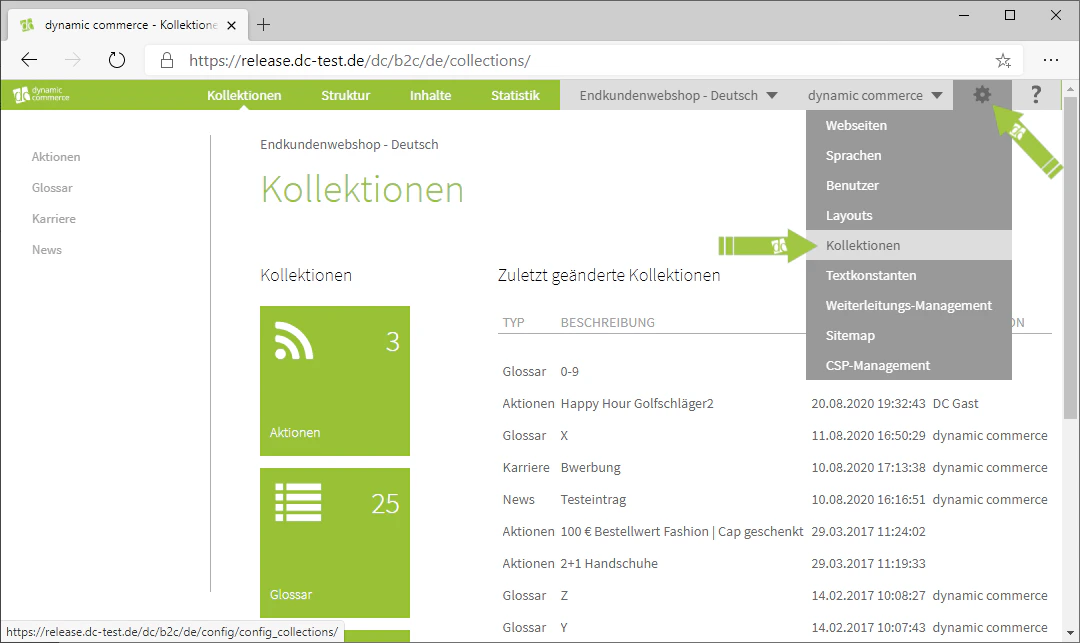
Step 2: Create a New Collection
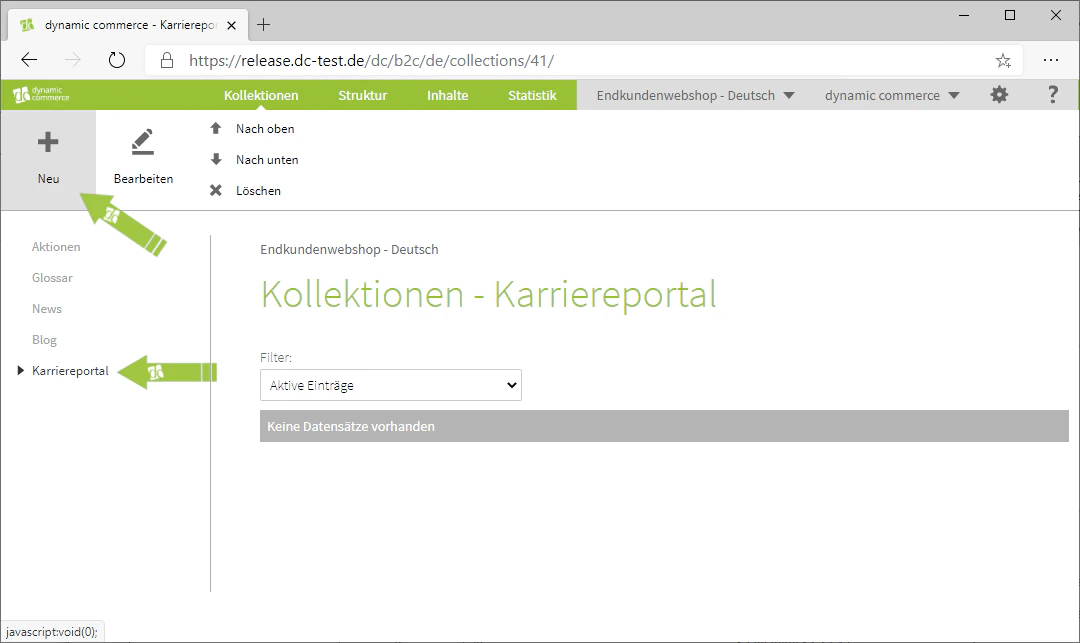
There you can begin creating a new collection. Do this by clicking on the “Plus” icon with the label “New” below it.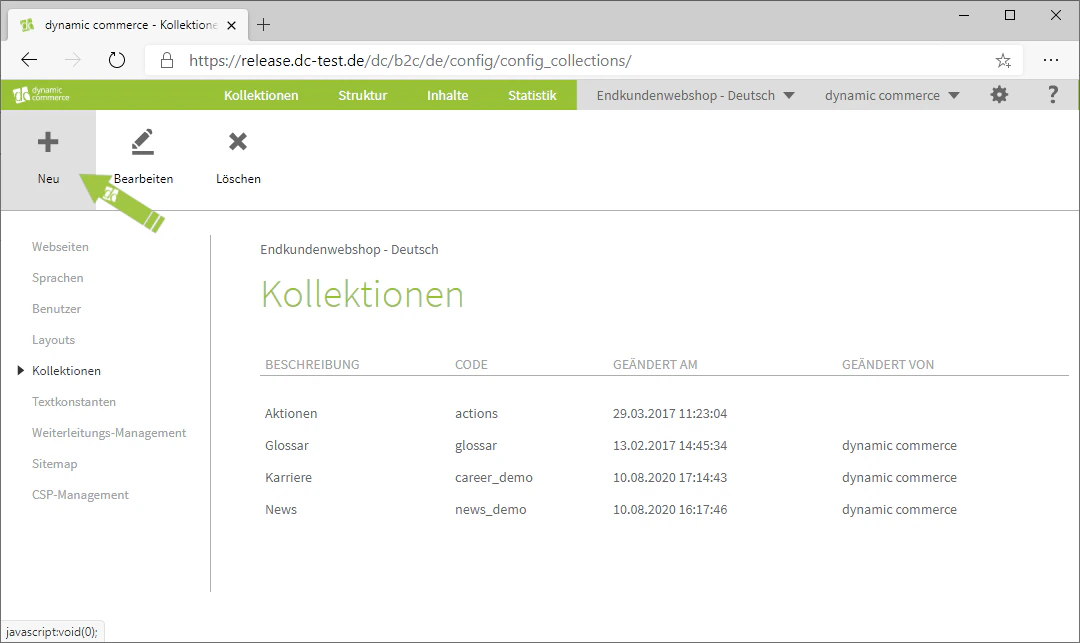
Step 3: Choose a Collection Code and Description
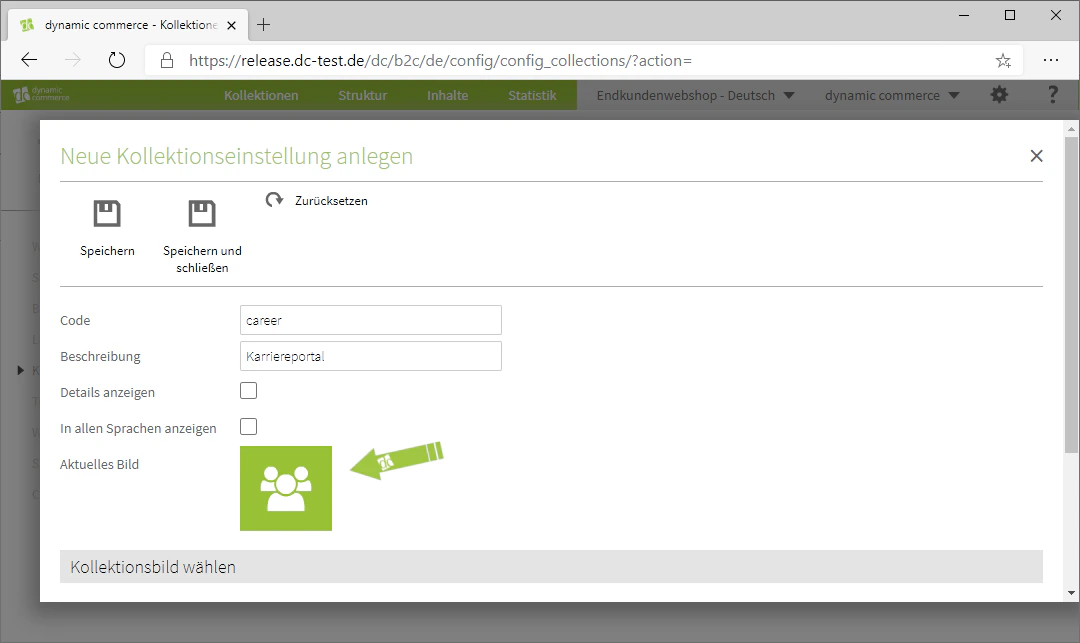
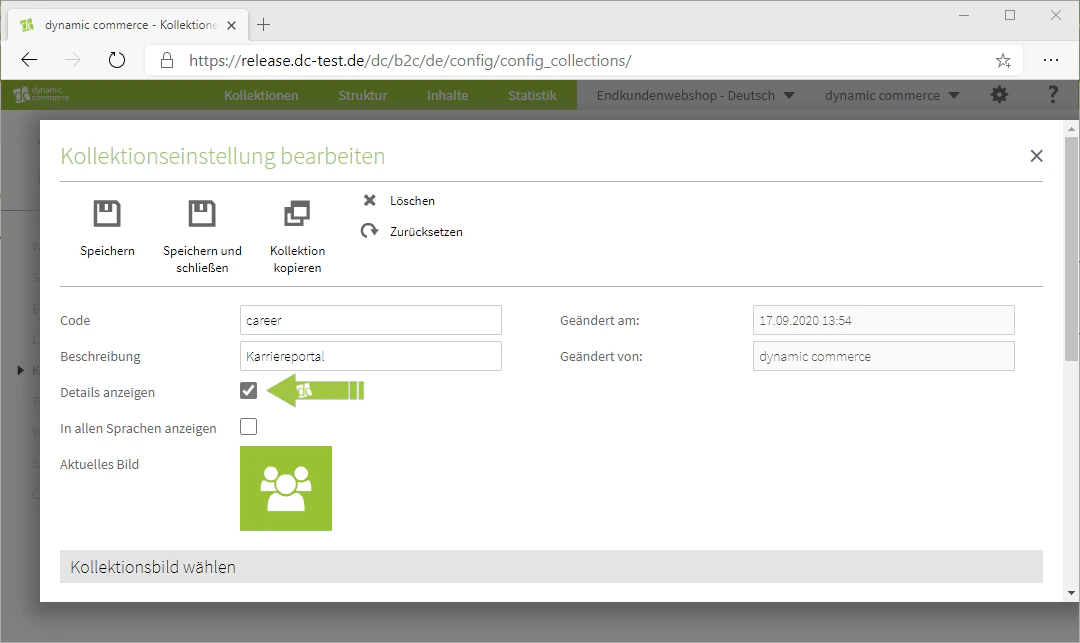
Now choose the collection code and description. You can freely choose both the code and the description — they serve only to help with clarity and organisation.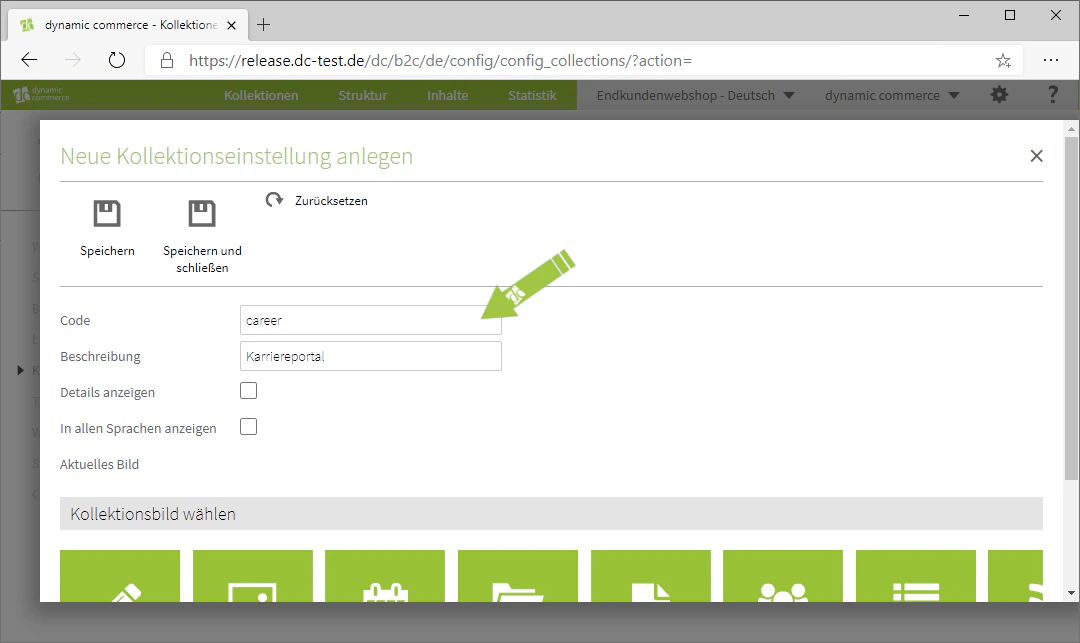
Step 4: Choose a Collection Image and Save
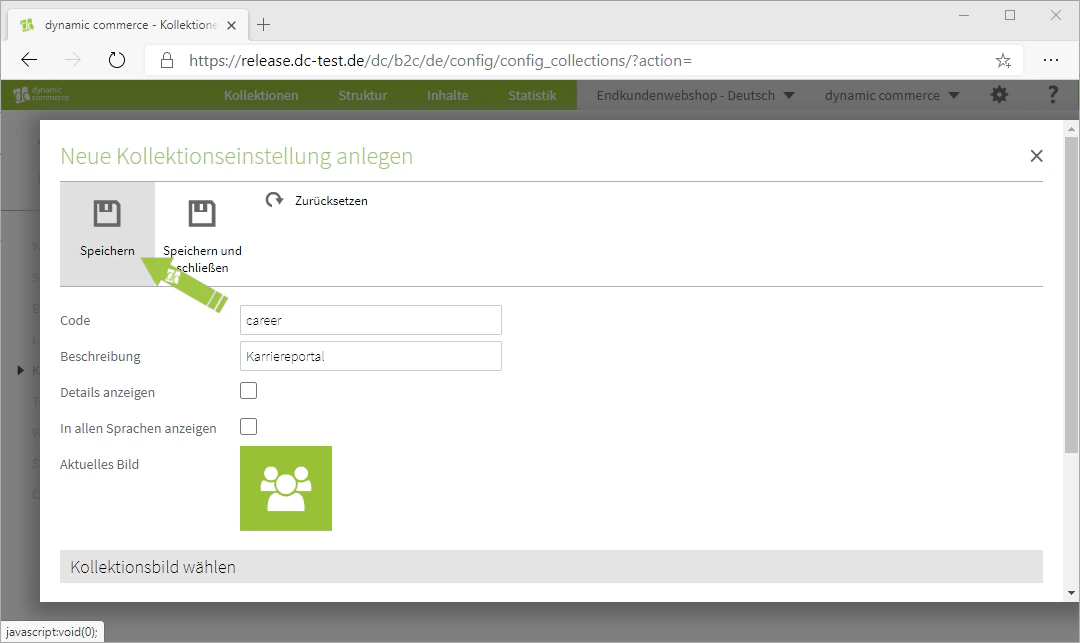
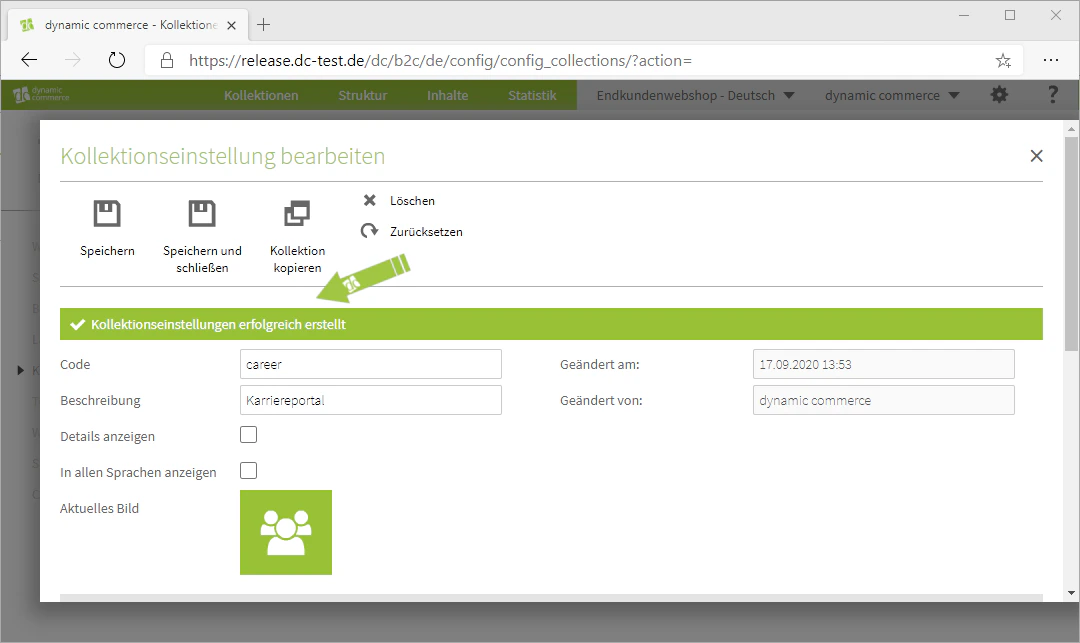
Next, you need to select a collection image. This also serves purely for organisational purposes and will not be displayed in your web shop.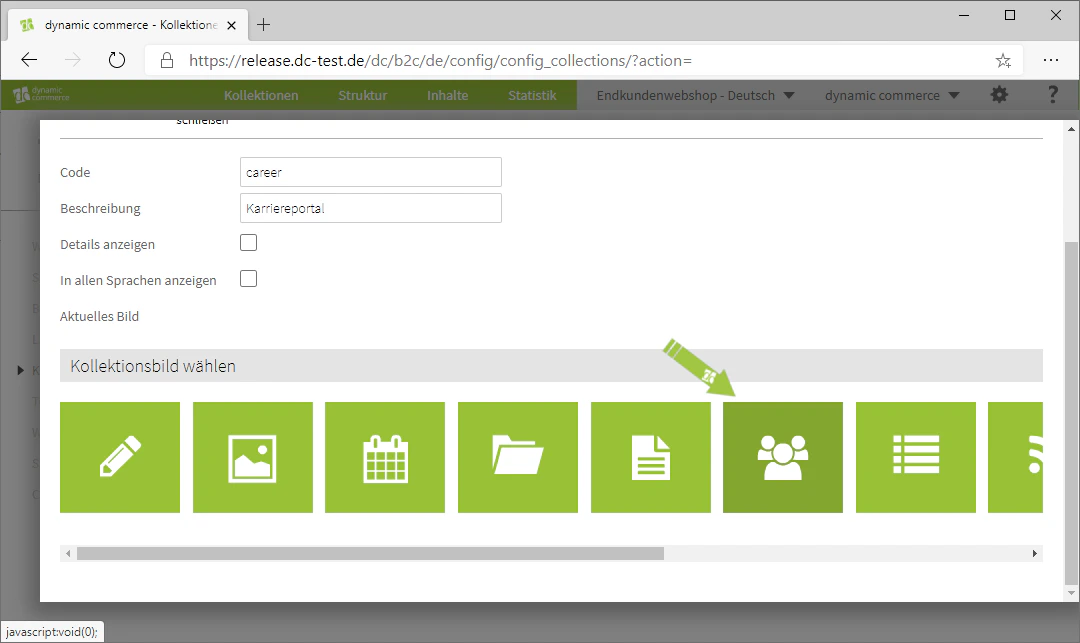
Step 5: Set Up the Detail View
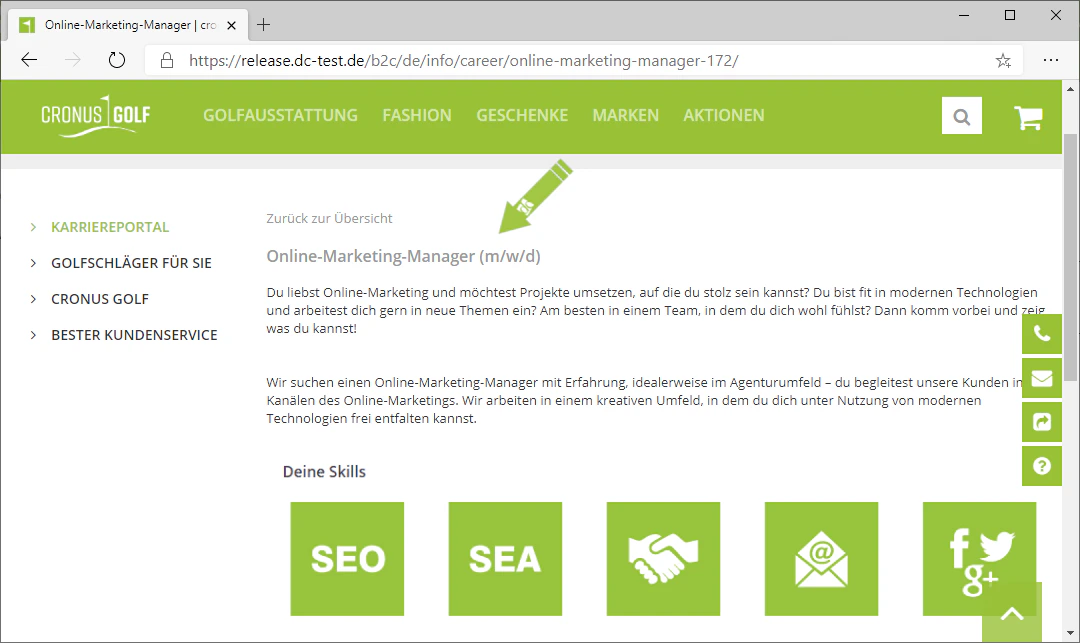
You now have the option to enable a detail view for your collection.This will display a “Read more” field below the collection fields, which we will create in the next step. If you would like such a detail view, check the box next to “Show details”.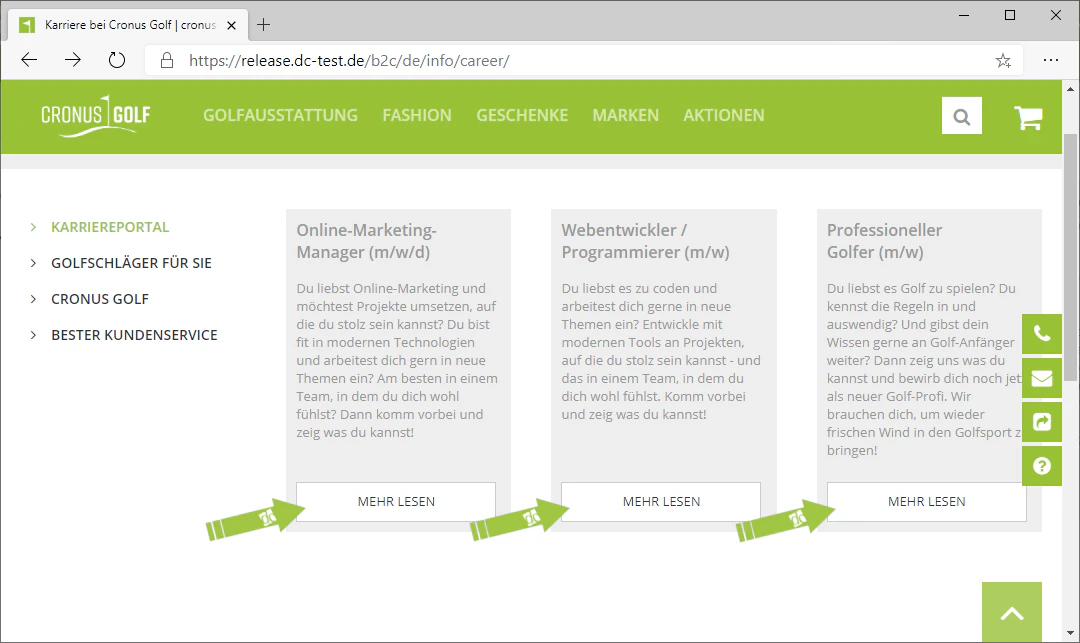
Step 6: Create Collection Fields
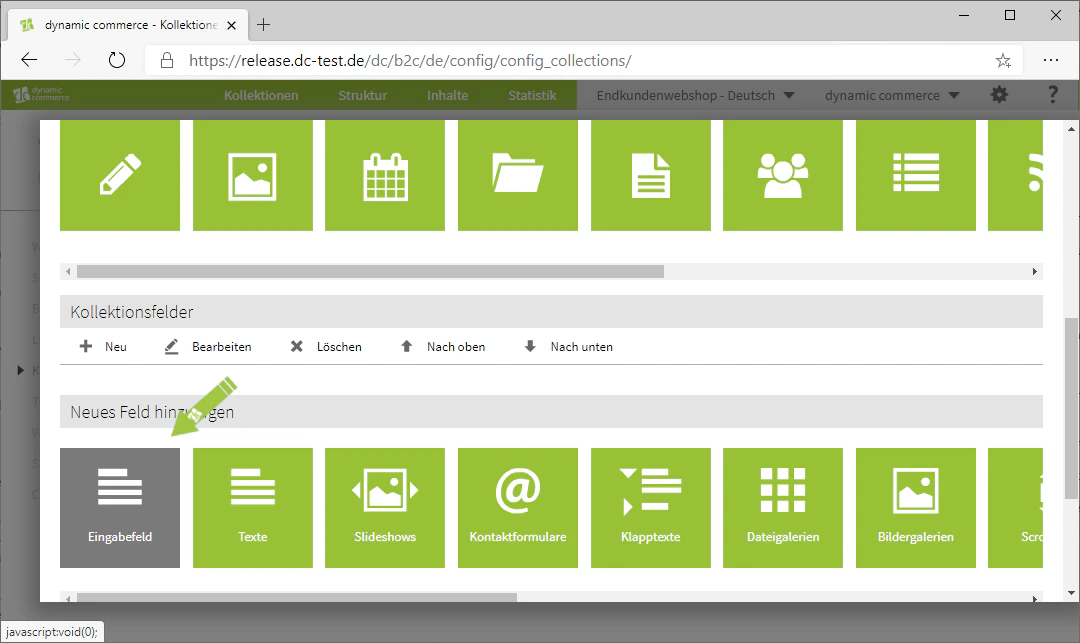
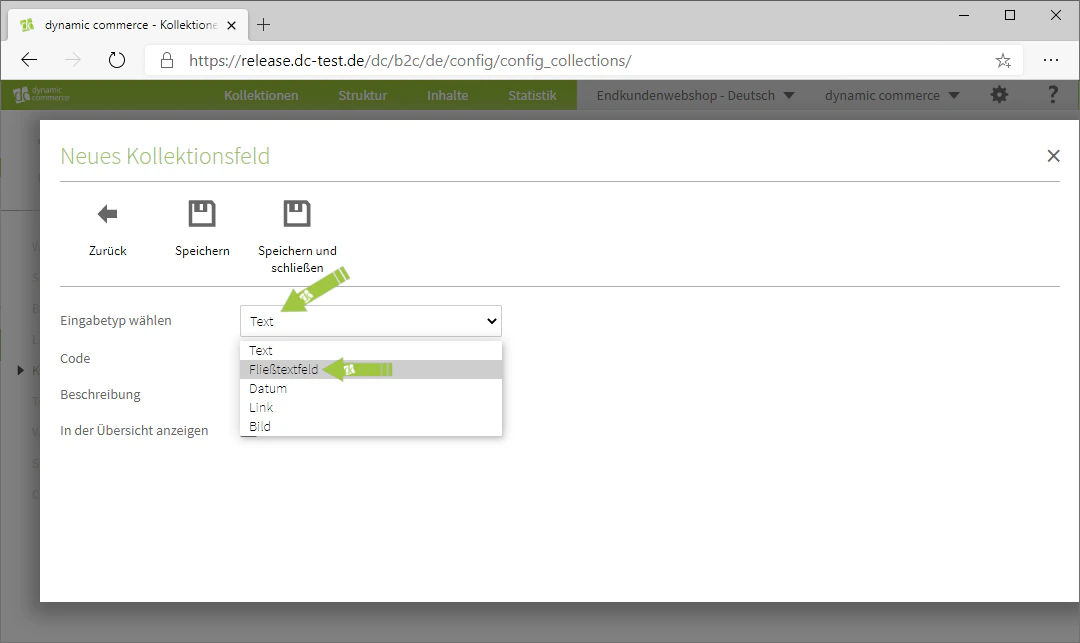
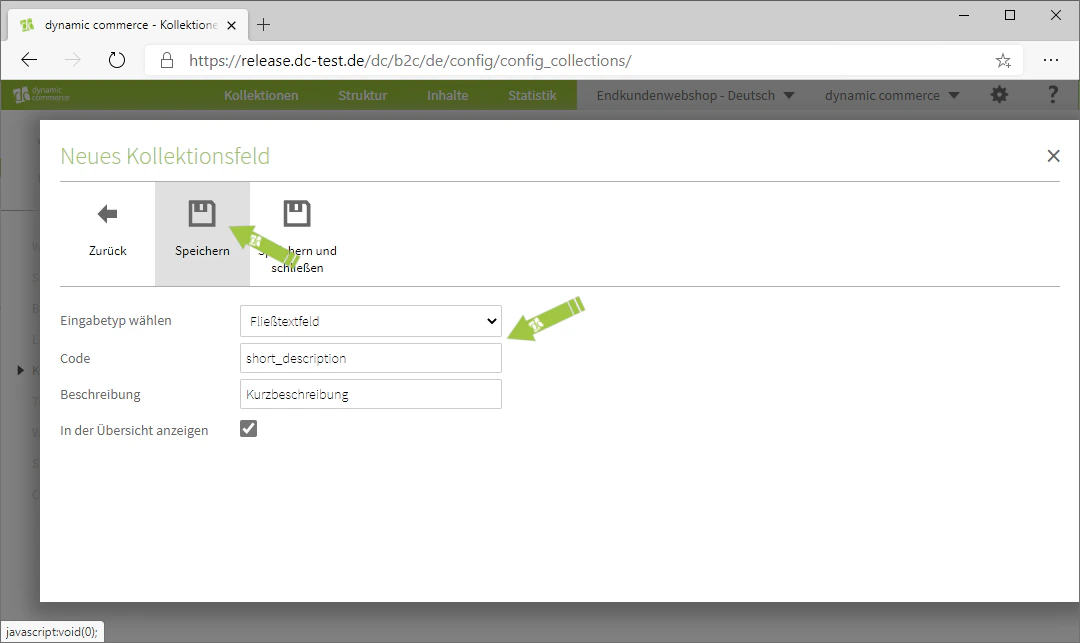
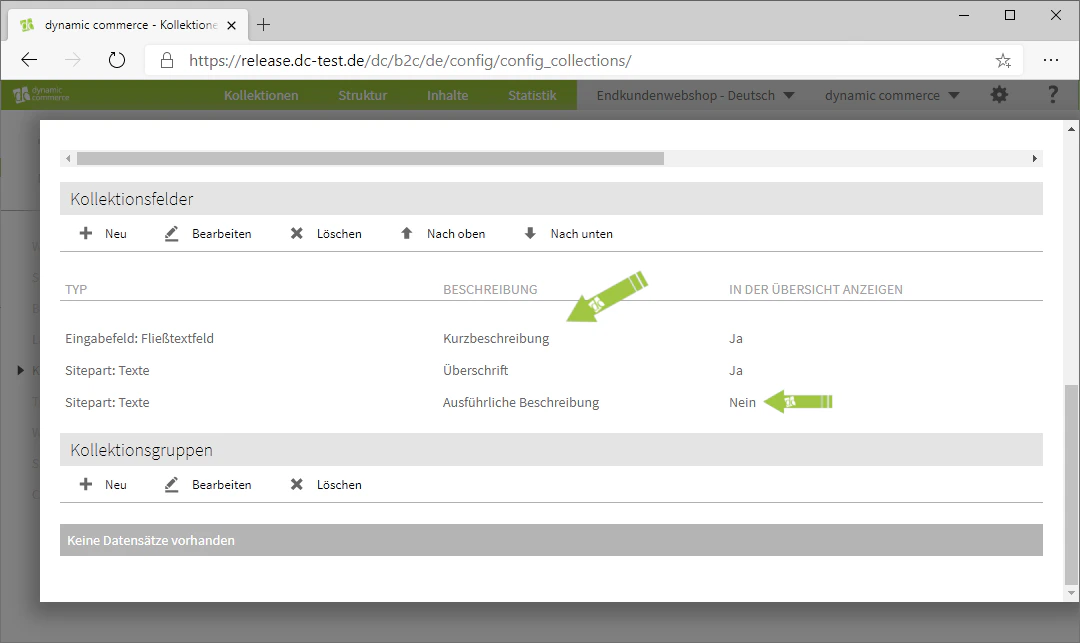
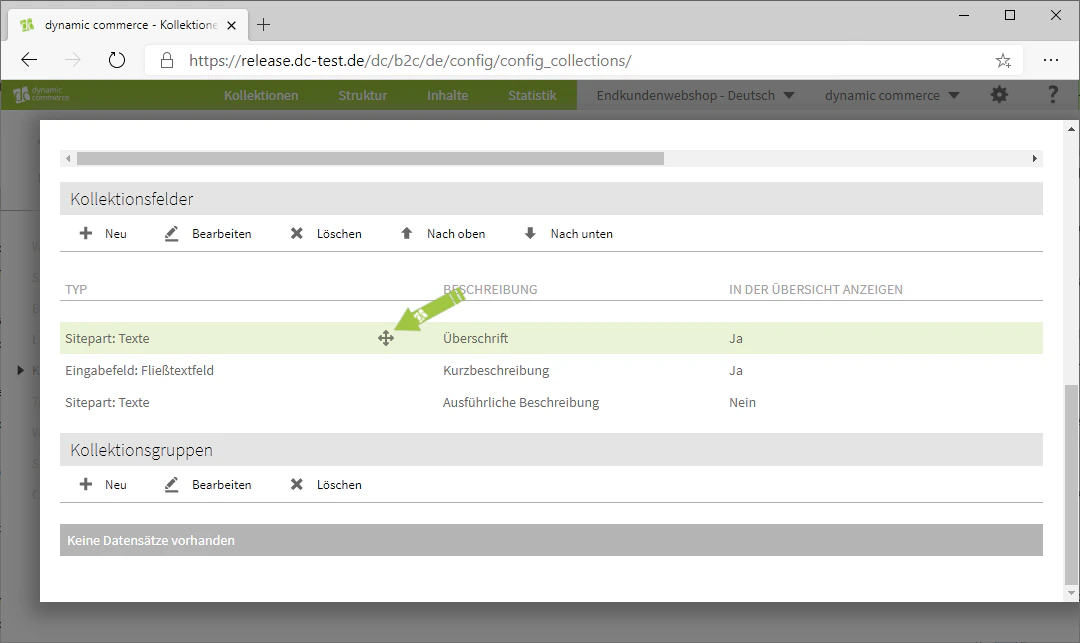
Collection fields are the fields in which you will later maintain the content of the individual collection entries.Using the “Input field” module, you can create simple fields for maintaining texts, images, links, and data.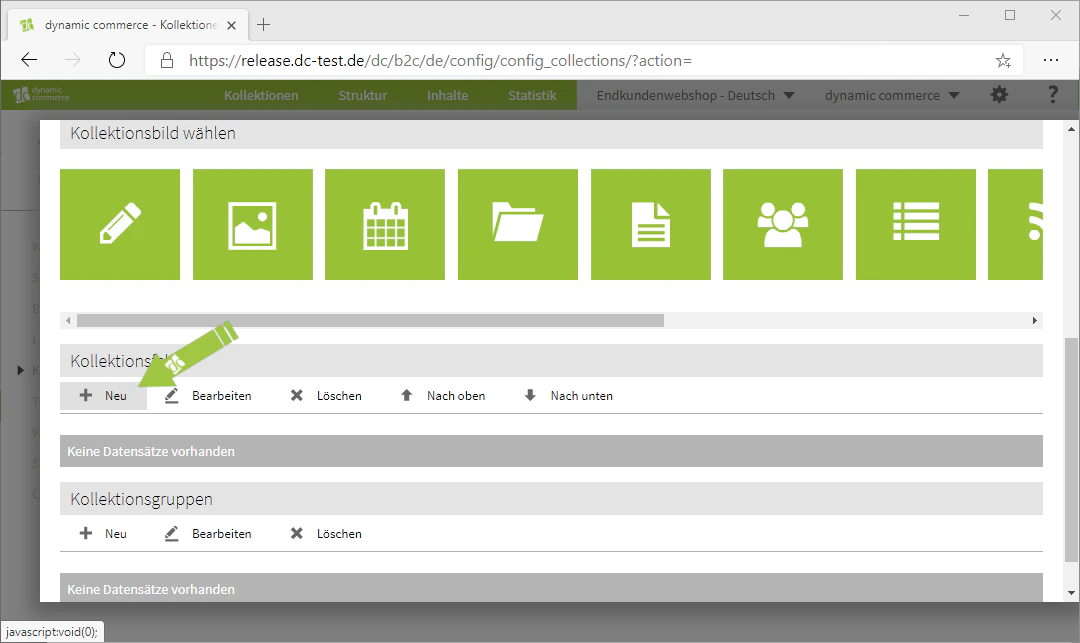
Step 7: Create Collection Groups
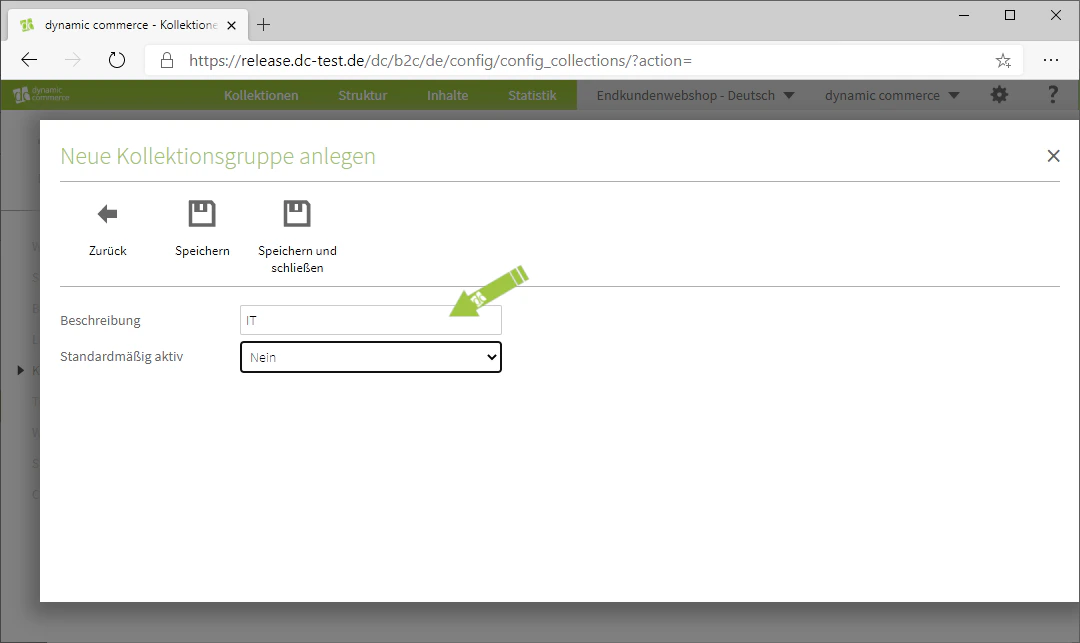
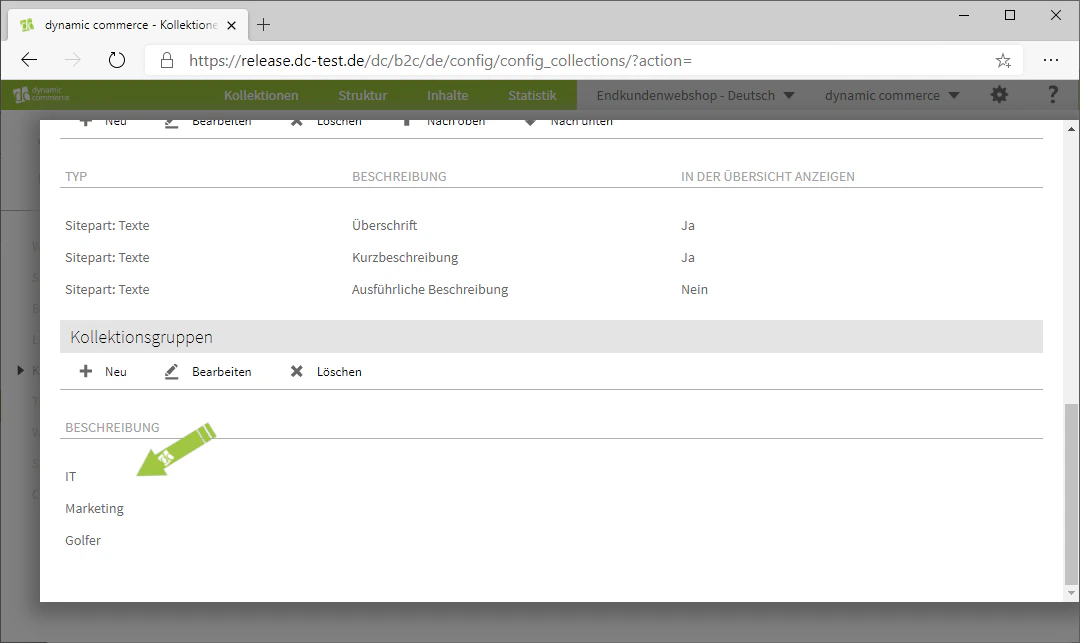
If you plan to create a large number of entries in this collection, it is worth organising them into collection groups.There you can select a description and determine whether this group should be active by default when creating new entries.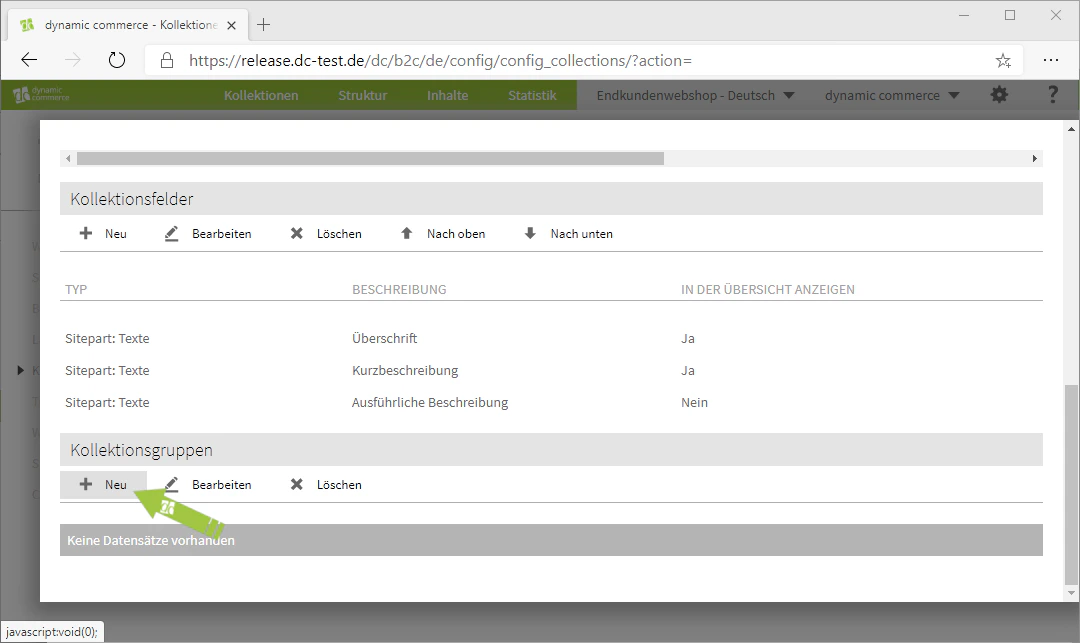
Step 8: Maintain Collection Entries
Finally, all that remains is to maintain the collection entries.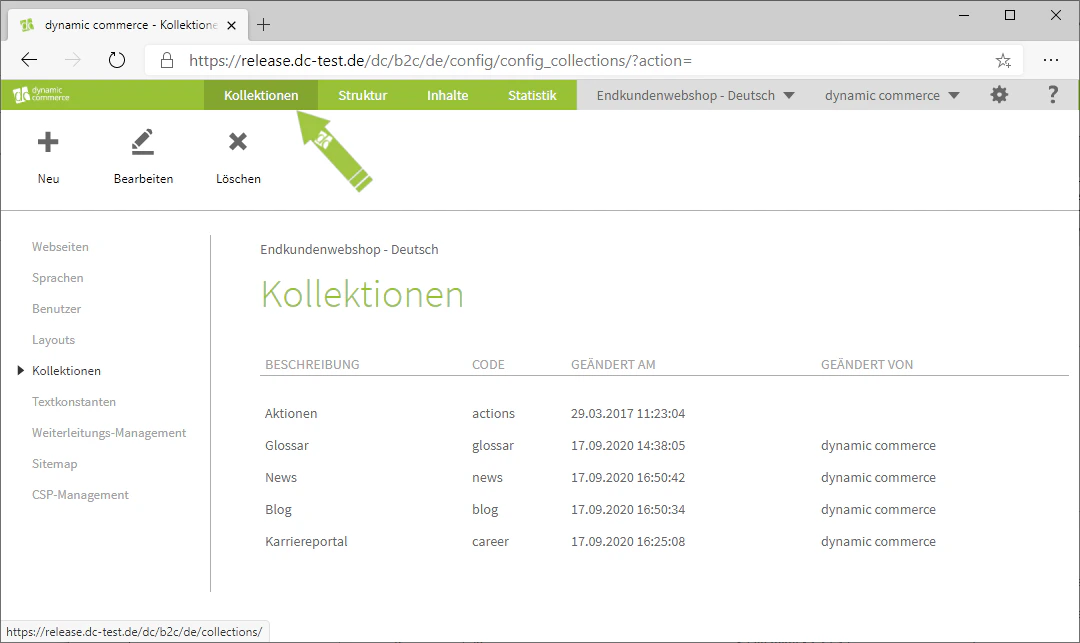
To learn how to create collection entries in detail, please refer to the page Creating Collection Entries.
Related Topics
Creating Collection Entries
Create and maintain individual entries for a collection.
Assigning Collections to a Page
Link a collection to a page so that it appears in the web shop.
Content Types
Configure content types used in collection fields.
Creating Content
Create and edit the content of a page.